Use mobile where speed and context matter
Many teams add mobile late because the website already exists. But the question is not whether the business has a site. The question is whether key users need faster access to specific actions while they are moving.
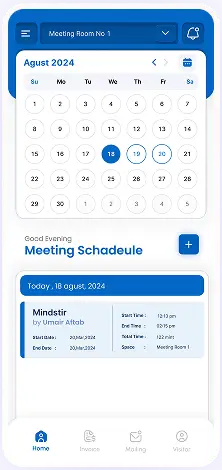
Field teams, managers, clients, and staff working across locations often benefit from a mobile layer because it reduces steps and fits the context of the task.
- Identify actions users repeat while away from a laptop.
- Focus on approvals, updates, check-ins, and quick record access.
- Treat mobile as a workflow tool, not a smaller website.
Companion apps work best with a narrow job
The strongest mobile products usually begin with one clear purpose. That might be booking, approvals, service updates, communication, or lightweight reporting. Trying to mirror the full platform too early often creates a crowded experience.
A focused release helps teams learn what truly belongs on mobile and what should remain in the main web platform.
- Build around the fastest high-value task first.
- Keep core account and data logic shared with the main platform.
- Use notifications to drive action, not create noise.
Release in phases with real usage data
Mobile decisions improve quickly when product teams watch how people actually use the app. Which screens open most? Where do sessions stop? Which features are never touched?
That feedback loop is much stronger when the first release is intentionally narrow. It gives the team a cleaner signal and avoids building speculative features too early.
- Measure retention for the core task, not vanity downloads.
- Keep release scope small enough to iterate quickly.
- Use mobile analytics to decide the next feature wave.